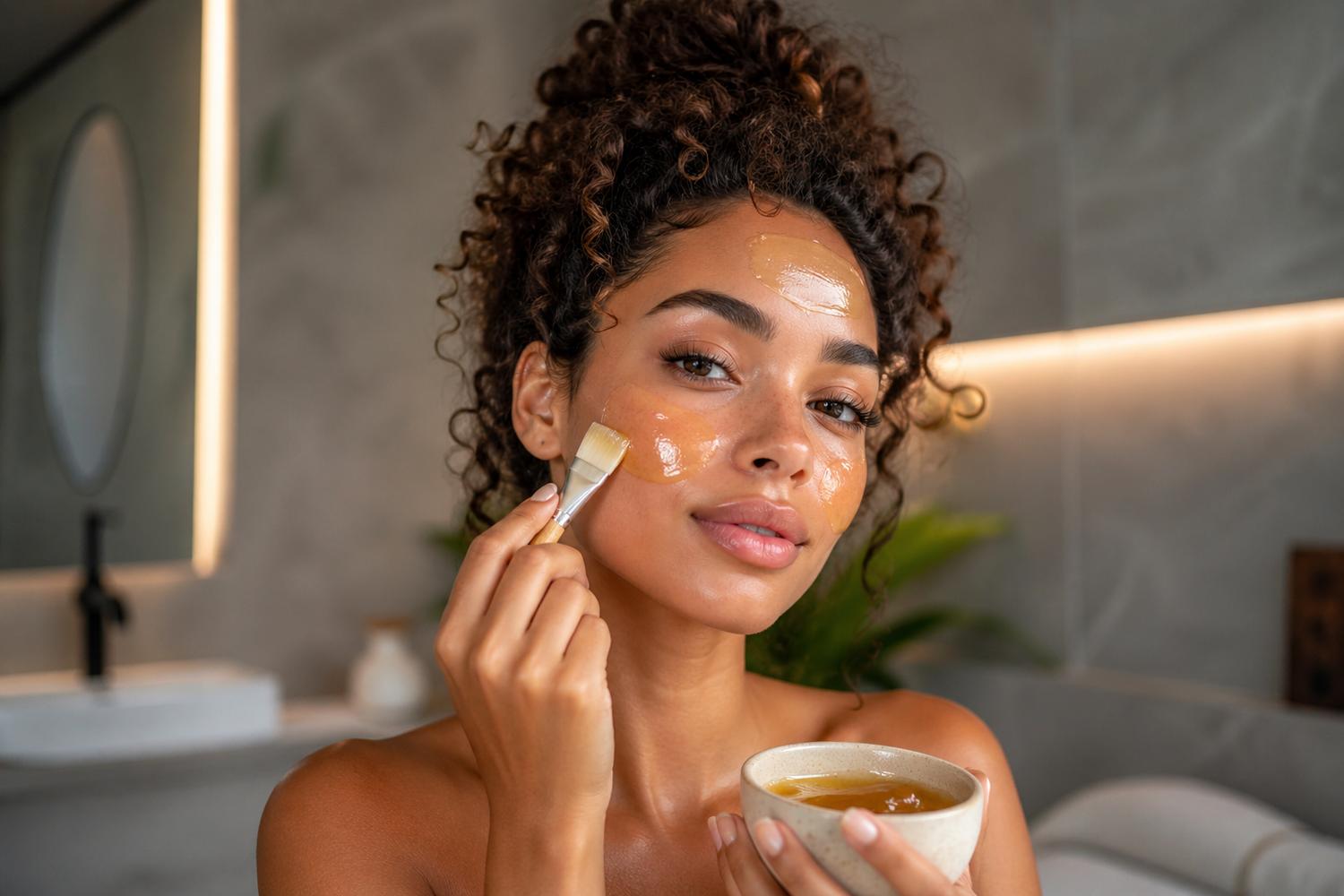
The Best Homemade Masks for Face (Keep the Pimples Away)
Walk into any skincare aisle today and you'll find shelves packed with products promising flawless, blemish-free skin. From overnight acne treatments to expensive serums, it's easy to believe that clearer skin always comes with a hefty price tag. Yet for generations, people have relied on simple ingredients found in the kitchen to soothe irritated skin and support a healthy complexion.
While homemade face masks aren't miracle cures, some ingredients have properties that may help calm inflammation, reduce excess oil and gently nourish the skin. Combined with a consistent skincare routine and healthy lifestyle habits, they can become part of an effective approach to caring for acne-prone skin.
Before trying any new treatment, it's important to perform a patch test on a small area of skin. If irritation occurs, stop using the product immediately. Persistent or severe acne should always be assessed by a healthcare professional or dermatologist.
Understanding Why Pimples Develop.
Pimples are a natural skin condition that occurs when hair follicles become blocked with excess oil, dead skin cells and bacteria. Once a pore becomes clogged, inflammation can develop, resulting in the familiar red bumps, whiteheads or painful cysts that many people experience during adolescence and adulthood. While hormones are one of the most common triggers, they are far from the only cause.
Stress, lack of sleep, certain medications, genetics and even heavy cosmetic products can contribute to breakouts. Environmental factors such as pollution and humidity may also affect the skin by increasing oil production. Understanding what causes your acne is important because treating only the visible pimples without addressing the underlying cause often leads to recurring breakouts. A good skincare routine should therefore focus on prevention as much as treatment.

Honey and Turmeric: A Time-Tested Combination
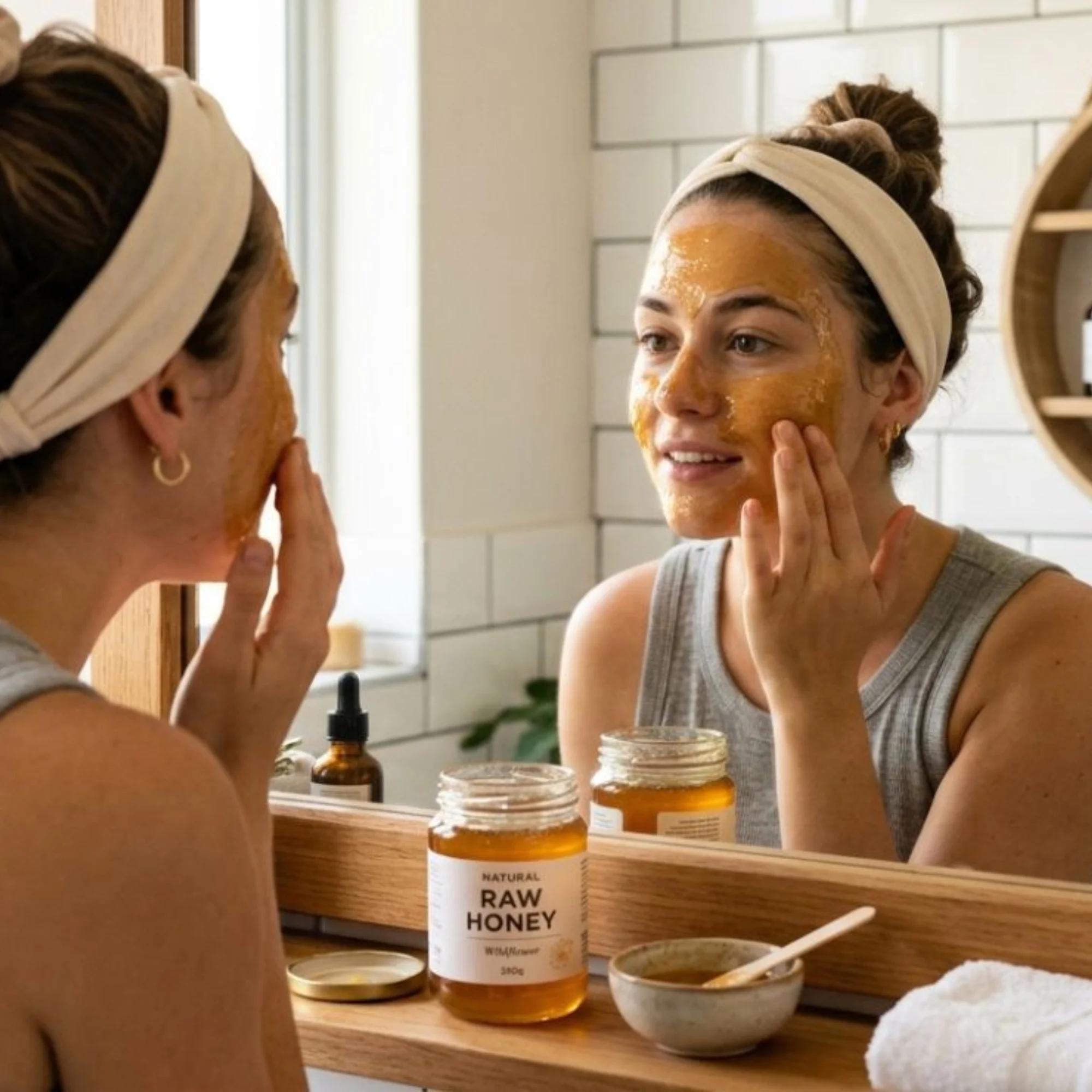
Among the many homemade skincare recipes available today, the combination of raw honey and turmeric remains one of the most popular. Raw honey is naturally rich in antioxidants and has mild antibacterial properties that may help keep the skin clean while maintaining its natural moisture barrier. Unlike some harsh cleansers, honey does not usually strip the skin of essential oils, making it suitable for many skin types.
Turmeric has been valued for centuries in traditional medicine because of curcumin, the natural compound responsible for its bright yellow colour. Curcumin has been widely studied for its anti-inflammatory properties, and many people find that a small amount mixed with honey can help calm redness associated with mild acne. Because turmeric can temporarily stain the skin or clothing, only a very small pinch should be used. The mask should be left on the face for approximately ten to fifteen minutes before being rinsed away with lukewarm water.
While many people enjoy noticeable improvements after regular use, it is important to remember that natural remedies work gradually. Consistency over several weeks is far more effective than expecting dramatic overnight results.
Gentle Relief with Oatmeal and Yogurt
Not every skincare routine needs powerful active ingredients. For people with sensitive or easily irritated skin, simplicity is often the better approach. Oatmeal has long been recognised for its soothing qualities and is commonly recommended for people suffering from eczema, dryness and general skin irritation. When finely prepared, oatmeal creates a soft paste that gently exfoliates the surface of the skin without causing unnecessary friction.
Plain yogurt complements oatmeal because it naturally contains lactic acid, one of the gentlest alpha hydroxy acids. Lactic acid helps dissolve dead skin cells that can clog pores while encouraging smoother, brighter skin. Together, oatmeal and yogurt form a nourishing mask that hydrates while providing mild exfoliation, making it particularly suitable for people whose acne is accompanied by dryness or sensitivity.
The Soothing Benefits of Aloe Vera
Aloe vera is perhaps one of the most recognisable natural skincare ingredients in the world. The clear gel found inside its thick leaves has traditionally been used to soothe burns, cuts and irritated skin. Modern skincare products frequently include aloe vera because of its moisturising and calming properties.
Applying fresh aloe vera gel after cleansing may help reduce redness and provide hydration without making the skin feel greasy. People who grow aloe plants at home should ensure the yellow latex found beneath the leaf's outer skin is completely removed before using the clear gel, as the latex can sometimes irritate sensitive skin. Used regularly, aloe vera can become an excellent addition to an everyday skincare routine, particularly for individuals looking for lightweight hydration.

Green Tea and the Power of Antioxidants
Green tea has earned a reputation as one of nature's richest sources of antioxidants. These antioxidants, particularly catechins, have been studied for their ability to help reduce inflammation caused by environmental stress and free radicals. While drinking green tea offers numerous health benefits, applying cooled green tea to the skin may also provide a refreshing boost.
Many homemade recipes combine cooled green tea with honey and rice flour to create a lightweight facial mask. The tea provides antioxidant support, honey helps retain moisture, and rice flour creates a smooth consistency that gently cleanses the skin. Although scientific research into homemade green tea masks remains limited, many users enjoy the refreshing sensation and temporary reduction in redness after application.
Healthy Skin Begins with Healthy Habits
Even the best homemade face mask cannot compensate for poor skincare habits. Healthy skin is built through consistent daily care rather than occasional treatments. Washing the face morning and evening with a gentle cleanser helps remove excess oil and dirt before pores become clogged. Moisturising after cleansing helps maintain the skin's protective barrier, while sunscreen protects against ultraviolet damage that can worsen acne scars and cause premature ageing.
Sleep, nutrition and hydration also play important roles. During sleep the body repairs damaged tissues, including the skin. Drinking enough water supports normal body functions, while a balanced diet rich in fruits, vegetables and healthy fats provides vitamins essential for skin health. Picking or squeezing pimples should always be avoided because doing so can increase inflammation and significantly raise the risk of permanent scarring.
Common DIY Mistakes That Can Harm Your Skin
The popularity of social media has introduced countless homemade skincare trends, but not all of them are safe. Ingredients such as lemon juice, baking soda, toothpaste and undiluted apple cider vinegar are frequently promoted as quick acne treatments despite their potential to damage the skin's protective barrier. These substances can cause irritation, dryness, chemical burns and increased sensitivity to sunlight.
Natural does not automatically mean safe. Every person's skin responds differently, which is why performing a small patch test before applying any homemade mask to the entire face is essential. Waiting twenty-four hours after testing can help identify unwanted reactions before they become more serious.
When Professional Treatment Is the Better Option
While homemade remedies can provide comfort for mild skin concerns, they cannot replace medical treatment when acne becomes severe. Painful cysts, persistent inflammation and acne that leaves permanent scars often require prescription medications or specialised skincare recommended by a dermatologist. Modern treatments have advanced considerably and may include topical creams, oral medications or hormonal therapies depending on the individual's condition.
Seeking professional advice should never be viewed as a last resort or a sign that natural skincare has failed. Instead, it should be seen as an important step towards achieving healthier skin safely and effectively.
Conclusion
Homemade face masks continue to be popular because they are affordable, simple to prepare and often contain ingredients that have been trusted for generations. When combined with realistic expectations, good daily skincare habits and a healthy lifestyle, natural ingredients such as honey, oatmeal, aloe vera and green tea may help support calmer, healthier-looking skin.
Beautiful skin rarely comes from a single miracle product. It is usually the result of patience, consistency and making thoughtful choices every day. By understanding your skin's needs and treating it gently, you give it the best opportunity to remain healthy long into the future.